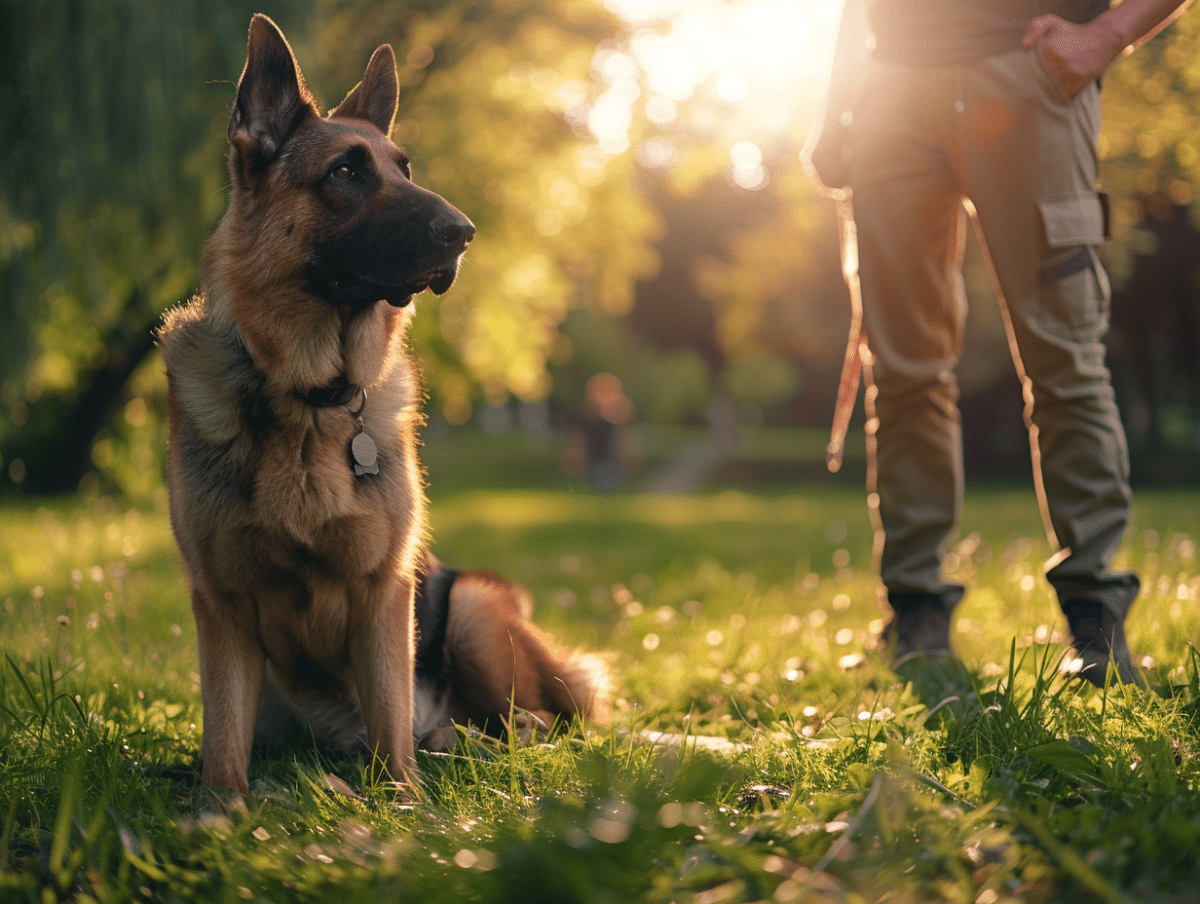
Canine aggression is a complex behavior that is often misunderstood and poorly managed. When a dog bites, it may be a reaction to fear, pain, or the protection of a resource, among other factors. Owners facing this challenge often find themselves at a loss, seeking solutions to manage the situation while ensuring the safety of people and other animals. Responses involve appropriate education, interventions from canine behavior specialists, and, in some cases, modifications to the dog’s environment. Addressing effective strategies for managing canine aggression is vital to prevent incidents and promote harmony between dogs and humans.
Understanding Aggression in Dogs: Causes and Manifestations
Aggression in dogs manifests in various forms and has multiple origins. Aggressive dog causes: fear, resource guarding, pain, or behavioral issues related to anxiety. These reactions can be seen as a normal form of communication in an appropriate context or as alarm signals when they indicate a deeper problem.
As an expression of aggressive behavior, aggression is always contextual. A well-adjusted dog typically uses calming signals to avoid conflict and resorts to aggression only when necessary. Normal aggressive behavior includes clear communication, an appropriate duration, and low severity. In contrast, abnormal aggressive behavior is characterized by excessive duration, significant severity, and repeated frequency.
A dog’s aggressive behavioral sequence should consist of two to four steps, ranging from warning to attack. A dog exhibiting a modified behavioral sequence, with missing or shortened steps, is likely unwell or poorly socialized, which may require professional intervention.
Should a dog that has bitten be euthanized? This is a painful and complex question. Before considering such a radical measure, a thorough evaluation by a veterinary behaviorist is essential. They can determine whether the aggression is a symptom of an illness, an anxiety-related disorder, or a difficulty in assessing certain situations. A therapeutic approach can then be considered to retrain the dog or address the underlying issue.
Strategies and Methods for Managing an Aggressive Dog
When faced with a dog showing signs of aggression, the first step is to assess the danger posed by the animal. This task, often delicate, requires the expertise of a veterinary behaviorist. Dr. Diane Frank, a retired professor of behavioral medicine and a recognized specialist, emphasizes the importance of a thorough assessment that considers both the environmental context and the dog’s history. Once a diagnosis is made, the professional can establish a treatment plan that includes behavioral therapy and, if necessary, appropriate medication.
The rehabilitation of an aggressive dog is often essential. It should be undertaken by a canine behavior educator, who will use learning techniques to modify the dog’s reactions. Punishment, especially when a dog growls, should be avoided as it can exacerbate aggression. Instead, methods based on positive reinforcement aim to calm the dog and teach alternative behaviors that are less dangerous for those around it. Patience and consistency are the key principles of this approach.
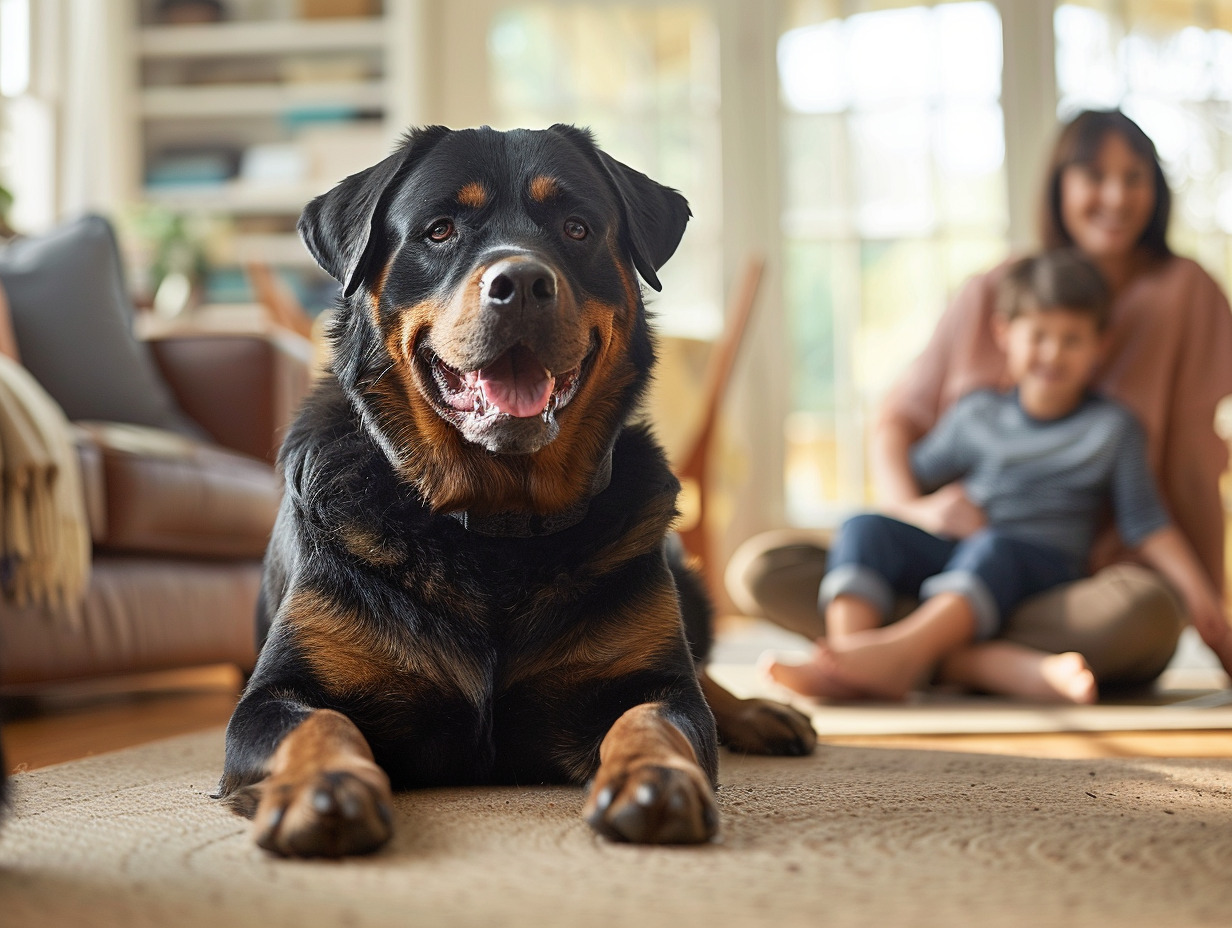
A reactive dog can benefit from a structured environment that reduces stressful situations likely to trigger aggressive behaviors. Controlled and gradual socialization plays a fundamental role in preventing aggression. It allows the dog to develop appropriate social skills and respond appropriately to various stimuli. Ongoing education, tailored to each dog, helps to build a relationship of trust and respect between the animal and its owner, which is essential for ensuring everyone’s safety.