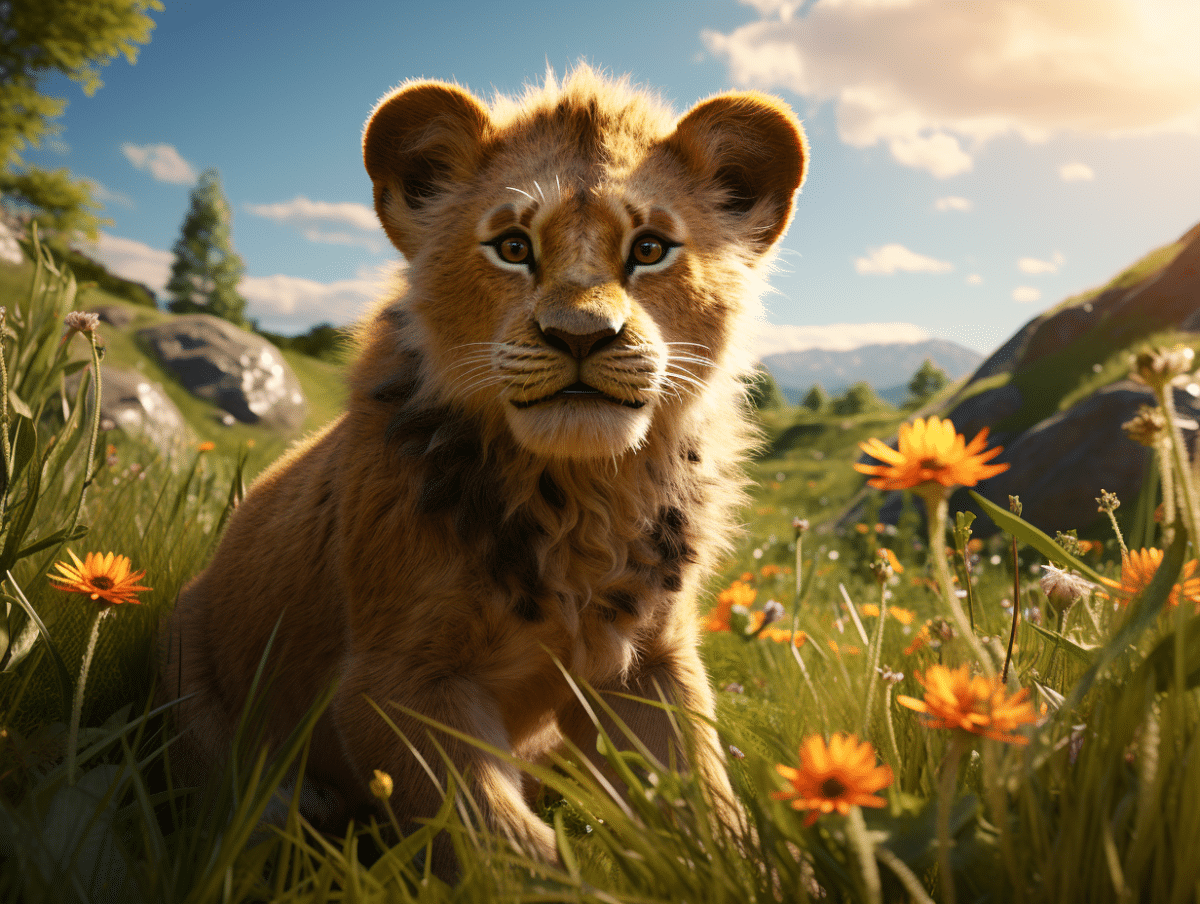
Cartoons have always been a fertile ground for the creation of memorable characters. Among them, animals hold a privileged place, deeply rooted in the collective memory from a young age. These creatures, often endowed with human traits and unique personalities, serve as vehicles for captivating stories, life lessons, and epic adventures. From the clever fox to the powerful lions of the savannah, not to mention the clumsy bears and cunning rabbits, these animal figures become cultural icons, awakening imagination, compassion, and laughter in both children and adults.
The Animated Icons of Our Childhood: A Nostalgic Journey
The characters of our childhood embody leading figures in the landscape of famous cartoons. Mickey Mouse, created by Walt Disney and Ub Iwerks, burst onto the scene in 1928 and became the very embodiment of animated magic with his appearance in Steamboat Willie. Meanwhile, Tom and Jerry, the cat and mouse imagined by William Hanna and Joseph Barbera, engage in wild chases that have entertained generations. Their presence on screens is marked by a series of 114 short films, produced from 1940 to 1958, and continues to inspire humor and nostalgia.
Bugs Bunny, the clever and mischievous rabbit, has charmed audiences with his quick wit for over eight decades, thanks to the ingenuity of Tex Avery, Ben Hardaway, Chuck Jones, and Warner Bros. Cartoons. Alongside him, figures like SpongeBob SquarePants, the eccentric inhabitant of a pineapple under the sea, and Homer J. Simpson, the lovable patriarch often a source of humor in the series, reveal the diversity and richness of animated worlds. Donald Duck, with his distinctive voice and sailor outfit, and the inseparable duo Scooby-Doo and Shaggy Rogers, define moments of camaraderie and mysterious adventures.
Pikachu, the iconic symbol of Pokémon culture, perfectly illustrates the transmedia impact of certain characters who, born in video games, also thrive in the world of cartoons. These heroes, cult figures of our childhood, are not just entertaining figures; they embody values, life lessons, and contribute to shaping the imagination of young viewers. And so, what animal is represented by T’choupi, if not an embodiment of childlike curiosity, awakening the sweetness and innocence of our early years? These characters remain forever etched in the hearts of viewers, conveying emotions and lasting memories.

Cultural and Educational Impact of Cartoon Characters on Generations
The role of animated creations in popular culture transcends mere entertainment. Cartoons, with their varied universes and often anthropomorphized protagonists, shape imagination, stimulate creativity, and mold the perception of the world for viewers, both young and old. The values conveyed by these colorful characters permeate the collective unconscious; respect, friendship, courage, perseverance, and love are transmitted through adventures that captivate and educate simultaneously.
The influence of animated figures extends far beyond the screens. Mickey Mouse and Donald Duck, for example, do not just animate the hearts of children; they become ambassadors of a brand, an empire of imagination that influences lifestyles, consumer choices, and even fashion. The life lessons embodied by Homer J. Simpson or SpongeBob SquarePants, despite their humorous tone, contain social critiques and satires that provoke reflection in the viewer. These lessons, encapsulated in playful contexts, are easily absorbed by young audiences.
Consider the educational impact of cartoon characters like Scooby-Doo and Shaggy Rogers, who, beyond their playful aspect, encourage problem-solving and teamwork. Pikachu, with his characteristic cry ‘Pika Pika’, represents the intersection between video games and cartoons, demonstrating a transmedia ability to educate and entertain. These characters, whose trajectories span decades of cultural history, continue to impact new generations, offering them behavioral models and educational paradigms that transcend time.