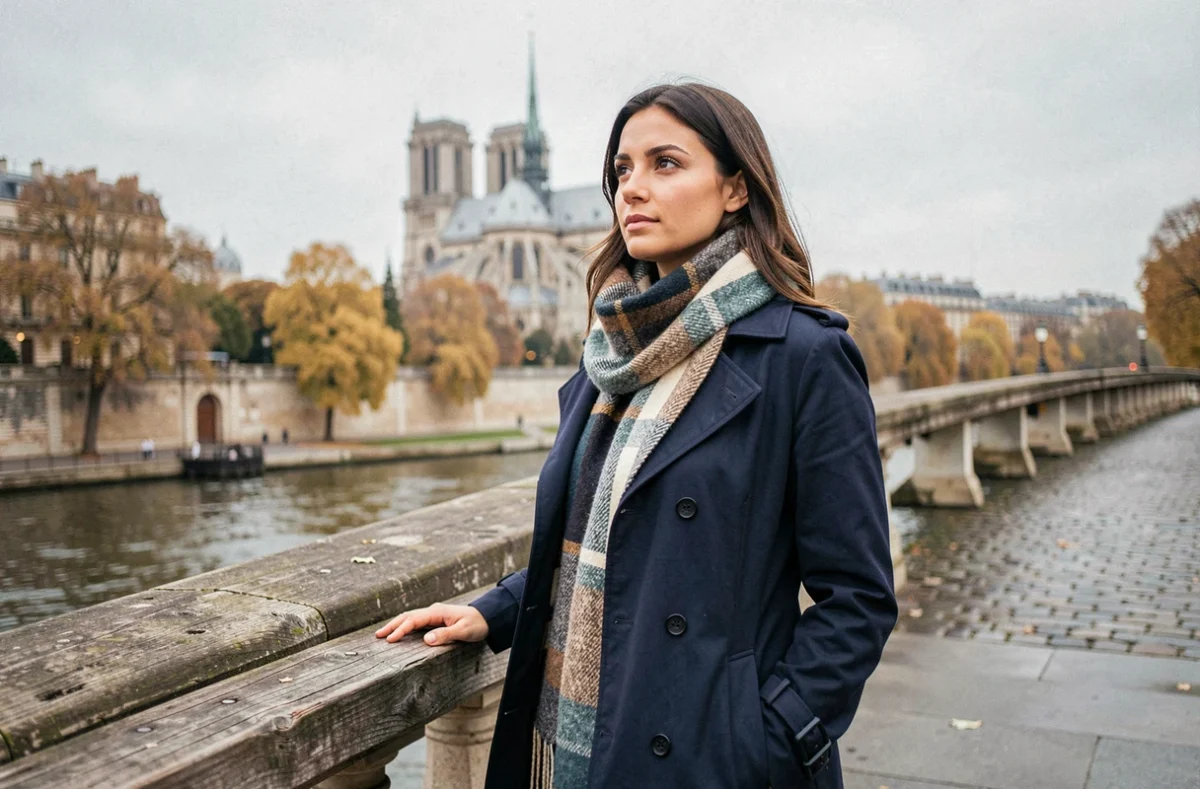
Paris is about more than its central arrondissements. Its cultural scene now extends across Greater Paris, with new contemporary art venues opening on the outskirts and heritage sites being converted into exhibition spaces. Planning a day of discovery now means connecting these hubs, combining the metro, tram and RER to travel from one bank to the other, then from the city centre to the inner suburbs.
Things to do in Greater Paris: connect the city centre and suburbs in one itinerary
The contemporary art scene in Paris has been reshaped. In recent seasons, several galleries and foundations have opened in neighbouring towns, transforming former industrial sites and municipal buildings into exhibition venues. Pantin, Romainville, Ivry-sur-Seine and Montrouge now host ambitious programmes that rival those in the Marais.
An efficient itinerary starts with choosing two or three complementary stops: a temporary exhibition in the city centre in the morning, lunch in a neighbourhood undergoing change, then a venue on the outskirts in the afternoon.
To find current programmes and compare event listings, https://www.parisblogged.fr features up-to-date ideas for things to do across both central Paris and its nearby suburbs.
The 13th arrondissement is a good example of this trend. Several hybrid projects that combine entertainment and cultural programming are taking shape there. This confirms that new cultural venues bring together different formats and disciplines rather than focusing on a single medium.
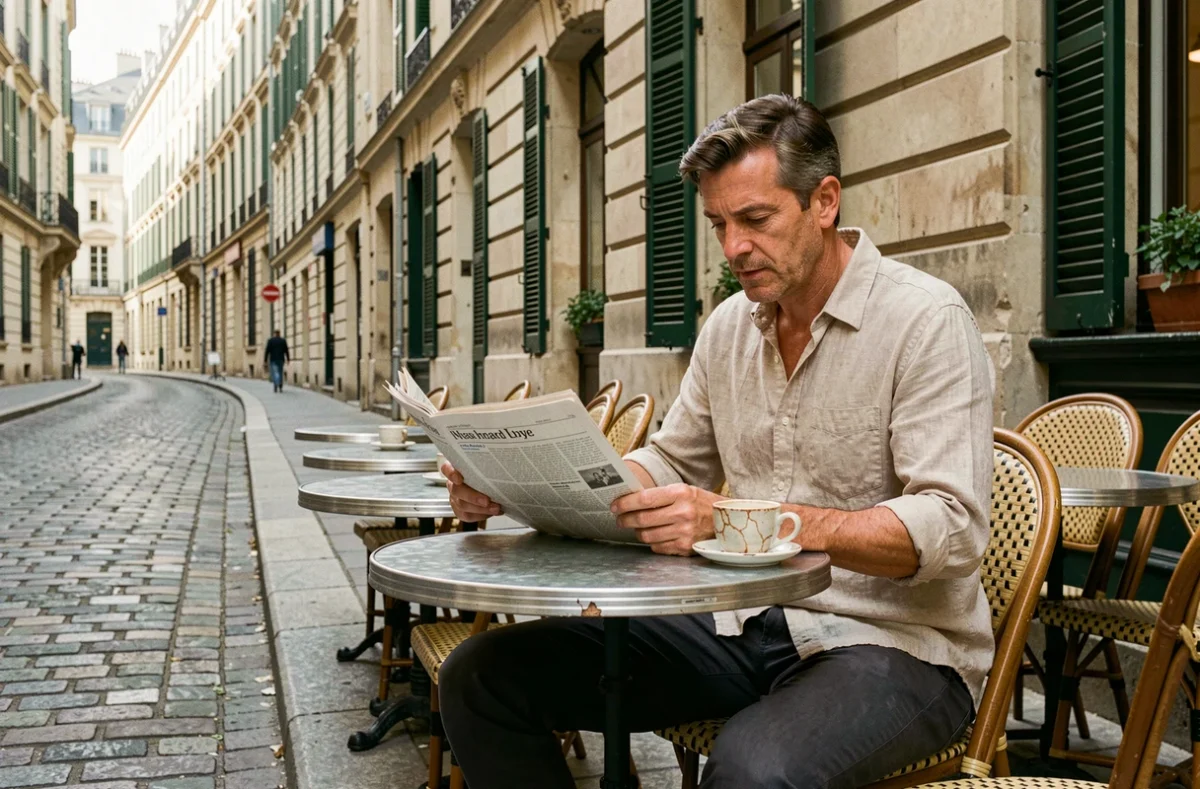
Interactive things to do in Paris: experiences that replace passive visits
Traditional guided tours are losing ground to formats that put visitors in the driving seat. Staged urban mysteries, location-based audio walks and creative workshops at municipal museums: cultural outings are now designed as experiences to take part in, rather than places to simply pass through.
Interactive outings make storytelling an integral part of the experience. The idea is simple: instead of just viewing a collection, visitors follow a narrative, solve puzzles or contribute to a collaborative artwork. Paris Musées regularly offers these kinds of activities at its venues, with time slots available to book online.
How to choose the right interactive format
- The actual duration of the activity, which often exceeds the advertised time when the group is large. Allow an extra half-hour.
- The level of interaction involved: some activities require physical participation (walking, handling objects), while others are more contemplative, with opportunities to make narrative choices.
- How easy it is to reach the starting point, especially if the activity takes place in the evening. Check the timetable for the last metro or tram serving the destination.
These formats work particularly well for mixed groups, bringing together museum regulars and people who are less drawn to art. The playful element helps bridge the gap some people feel when faced with a cultural institution.
Free things to discover in Paris: heritage sites and unexpected spaces
Paris remains one of the few European capitals where a significant part of its museum offering is free to visit. The permanent collections at the City of Paris museums (Petit Palais, Musée d’Art Moderne, Musée Carnavalet) are free all year round. But there is more to explore than museums.
Heritage sites now host temporary cultural programmes. Courtyards of Marais mansions, former railway stations converted for new uses and covered passages provide settings for installations, public readings and screenings. The City of Paris events calendar and specialist websites list these pop-up events, which are often free and rarely crowded.
Three types of free venues to include in your itinerary
- Community gardens and courtyards open to the public, particularly in the 11th and 20th arrondissements, which sometimes host small events at weekends.
- Private art galleries, which are free to enter. The Haut-Marais district and rue Louise-Weiss in the 13th arrondissement are home to several galleries that refresh their exhibitions every month.
- Local media libraries, which host author talks, documentary screenings and workshops, most of them without requiring advance registration.
Plan a day out in Paris: link your stops without wasting time
The main obstacle to a full day of discovery is not a lack of things to do, but time lost between poorly connected stops. A 40-minute metro journey with a change disrupts the flow and eats into your day.
We recommend grouping visits by geographical area rather than by theme. A northern route (Canal Saint-Martin, Pantin, La Villette) or a southern route (13th arrondissement, Gentilly, Ivry) lets you fit in three or four stops while keeping travel times to ten or fifteen minutes each.
The day you choose matters too. Some museums and galleries stay open late on weekdays, so you can start your itinerary in the late afternoon without disrupting your workday. Checking extended opening hours on official websites before you plan is still the most reliable approach.
One final point to keep in mind: seasonal events (Nuit Blanche, Heritage Days, neighbourhood festivals) temporarily open venues that are normally closed to the public. Adding them to a regular itinerary can turn a simple day out into a discovery that even seasoned Parisians may not know about.