
When a condominium owner starts an interior renovation, they often discover that the factors with the greatest impact on their home’s energy performance are outside their control. Roof, façade, communal heating: these works require a vote at a general meeting. Understanding the gap between what you can manage on your own and what requires a collective decision changes how you plan a renovation project.
Condominium renovations: work you can’t decide on alone
Interior renovations (partitions, flooring, bathroom) are the owner’s responsibility. However, the measures with the greatest impact on a home’s energy rating often concern common areas. Internal insulation improves comfort, but without façade insulation or roof repairs, the energy rating is unlikely to improve much.
In a condominium, this work requires a majority vote at a general meeting. An owner can therefore renovate their apartment from top to bottom and still receive an F or G rating if the condominium association doesn’t follow suit.
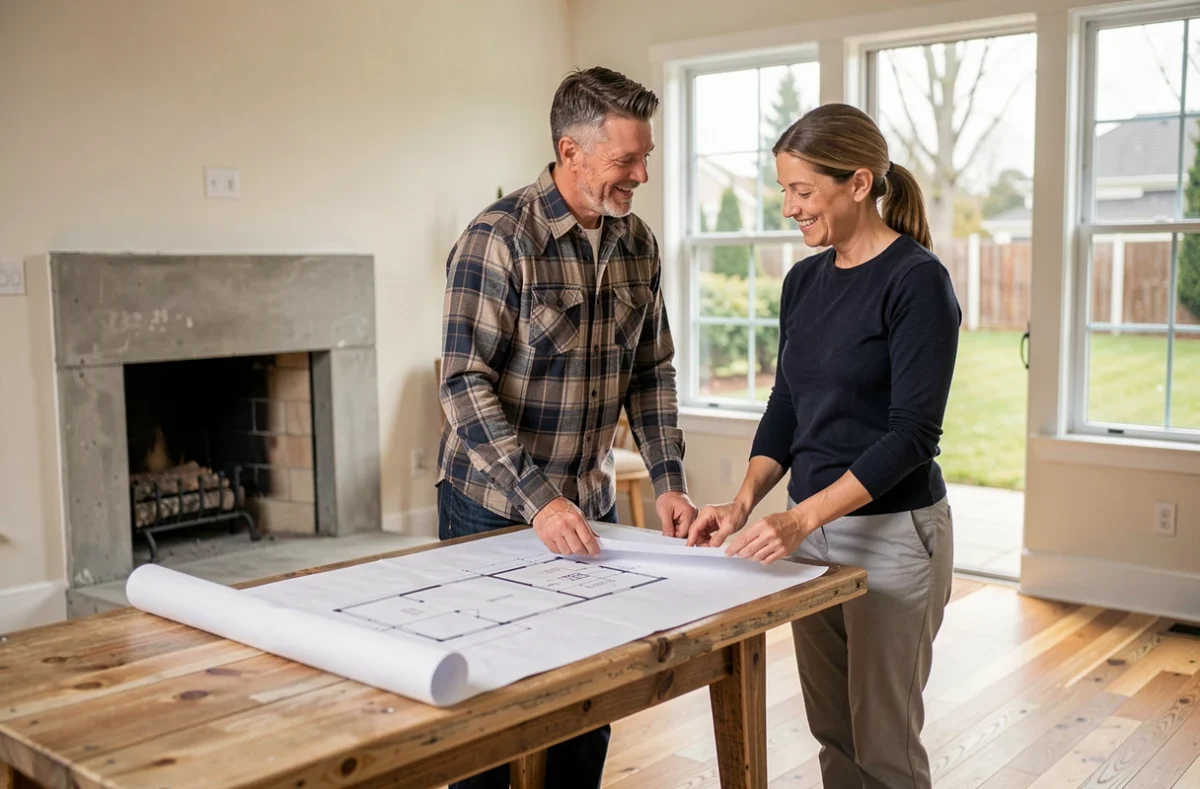
From the initial assessment, identify which items fall under the condominium association’s responsibility and which are up to the owner. This helps you set a realistic personal budget and avoid overestimating the expected energy savings. For more information, La Gazette de Constantine’s renovation articles outline several practical scenarios involving a mix of individual and shared work.
| Type of work | Decision-maker | Impact on energy rating |
|---|---|---|
| Internal wall insulation | Individual owner | Moderate |
| Façade insulation (external wall insulation) | Condominium vote | High |
| Window replacement (private areas) | Owner (general meeting approval may be required) | Moderate |
| Roof repairs | Condominium vote | High |
| Replacement of communal heating system | Condominium vote | High |
| Replacement of individual radiators | Individual owner | Low to moderate |
This table shows that the measures with the greatest impact on energy performance are mostly beyond the control of individual owners. This should guide your strategy: start with what you can control, then put shared works on the agenda for the general meeting.
Energy-efficiency standards deadlines and scheduling constraints
Regulations set specific deadlines for landlords. Renting out homes with a G rating has been prohibited since January 1, 2025. Homes with an F rating will be affected from 2028, and those with an E rating from 2034.
For a landlord in a condominium, the challenge is twofold. They must not only complete work within their own unit, but also secure approval for shared works early enough for a new energy performance certificate (DPE) to be issued before the next rental deadline.
Delays can quickly add up:
- Get the work added to the general meeting agenda (this can take one to several months, depending on the property manager’s schedule)
- Approve the funding and select contractors (several months of consultation)
- Complete the shared works (façade, roof), then move on to work within individual units
- Arrange for a new energy performance certificate (DPE) once all the work is complete
A landlord aiming to meet the 2028 deadline for an F-rated home should therefore contact the property manager now, rather than waiting until they plan their own interior renovation.
Renovation grants: check your budget at the last minute
MaPrimeRénov’ is the main grant scheme for energy-efficiency renovations. Since 2025, the scheme has been suspended and its rules have changed. Specialist media have described this instability as a source of uncertainty for households and tradespeople.
A grant budget drawn up several months before an application is submitted may no longer reflect the applicable conditions. Grant amounts, income thresholds and eligible measures can change from one quarter to the next.
In practice, two precautions can reduce the risk:
- Check the conditions at the exact time you submit your application, not when you first estimate the costs
- Don’t treat the full expected grant as guaranteed funding; build in a contingency instead
- Request itemized quotes so you can drop a measure if the corresponding grant is no longer available
This applies to work within individual units (heat pumps, internal insulation) as well as condominium-approved works, where a change in grant rates can undermine the collective financing plan.
Interior renovation work order: the technical sequence that prevents rework
Once the scope is clear (work that can be done within your unit without waiting for the condominium, and work that depends on a vote), the interior renovation must follow a strict technical sequence.
Structural and major building work comes first
Removing partitions, creating openings in load-bearing walls if necessary, and repairing floors all generate dust and vibrations that are incompatible with finishes that have already been installed. Any structural changes must be completed before the rest of the work begins.
In an older apartment (built before 1950), some lightweight, non-load-bearing partitions may have become load-bearing over time. A structural assessment beforehand can prevent problems from surfacing during demolition.
Technical systems: plumbing, electrical and heating
Conduits and pipes must be installed before the partitions are closed up. If the drywall contractor starts before the electrician, the wall linings will have to be opened and closed again, adding cost and delays.
Scheduling plumbing and electrical work before plastering and insulation is the most critical sequencing requirement in an interior renovation. Reversing these two phases will inevitably lead to rework.
Finishing work: flooring, paint and surfaces
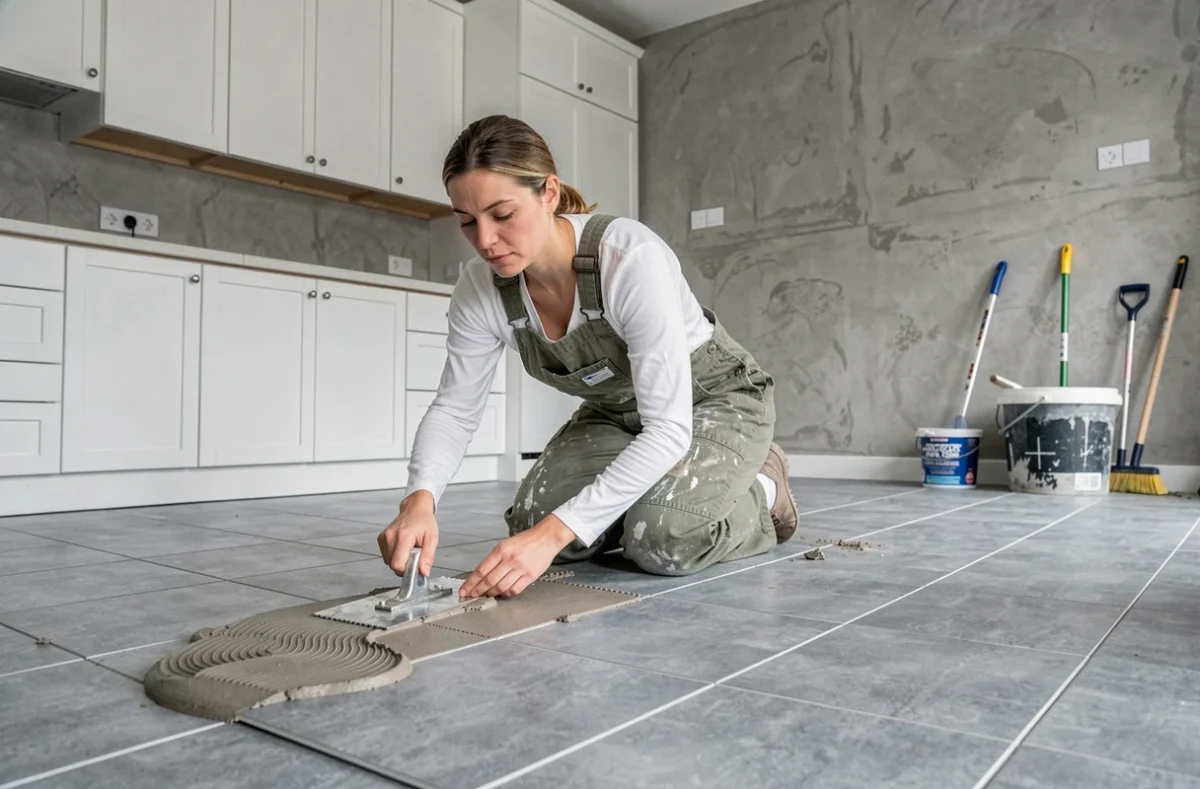
Paint should be applied before the flooring is installed to prevent splashes on new hardwood or tile. Skirting boards and door thresholds go in last. This stage may seem secondary, but flooring installed too early can be damaged by other tradespeople moving through the space.
National trends point to a gradual improvement in the housing stock: according to Ademe data reported by the media, the share of energy-inefficient homes among primary residences fell between 2024 and 2025. This decline comes alongside ongoing challenges in the rental sector, where some tenants don’t even have access to their energy performance certificate (DPE). Before renovating, obtaining and checking this document remains an often-overlooked first step.