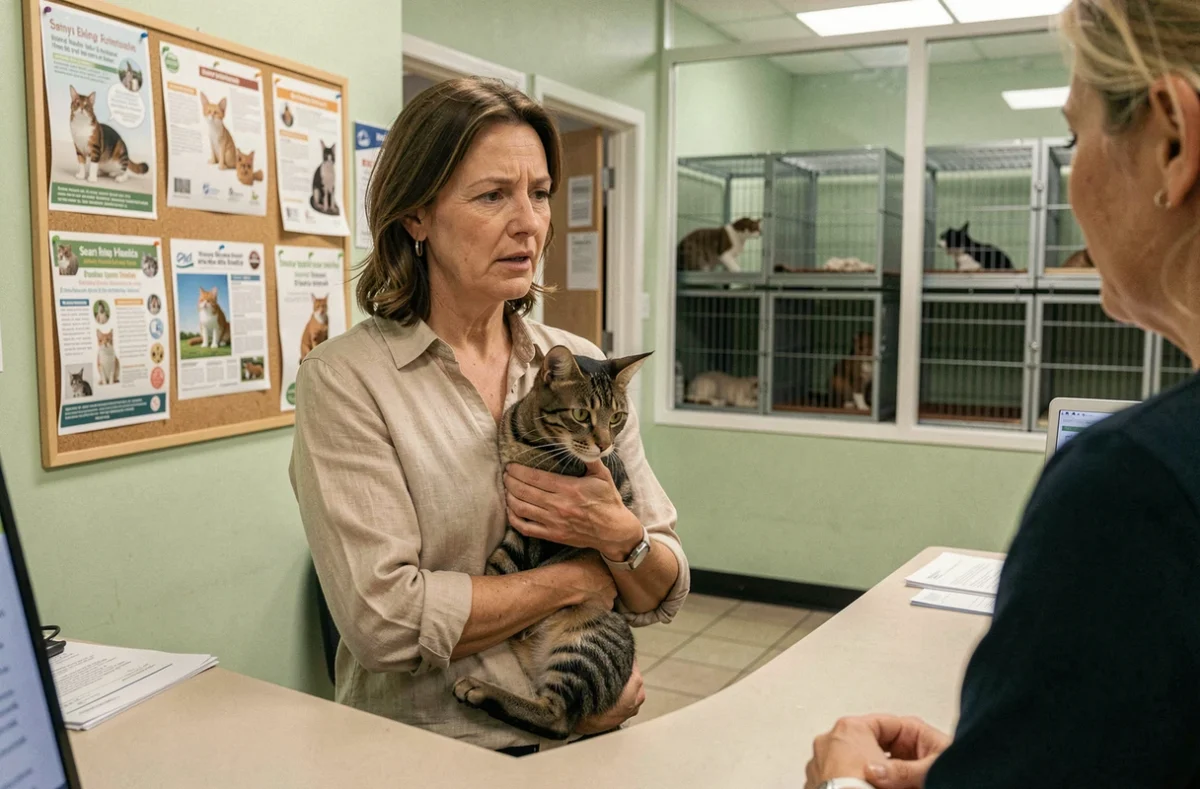
The SPA and other shelters are not required to accept all animals offered to them. When an individual wishes to entrust their cat, the hosting organization evaluates several criteria before approving the intake. A refusal does not mean an arbitrary rejection: it reflects concrete constraints, sometimes regulatory, sometimes related to the shelter’s capacity.
Saturation of shelters: the primary reason for refusing a cat
Cats represent the vast majority of animals taken in by protection organizations. This overrepresentation is explained by the rapid reproduction of unsterilized felines and the volume of stray cats captured each year.
A study on the responses from 880 shelters, associations, and foster families confirmed that saturation has become a documented reason for refusal, rather than a mere exceptional practice.
Specifically, when a shelter is at full capacity, it cannot physically accommodate an additional animal without jeopardizing the well-being of the existing residents. Volunteers wishing to give a cat to the SPA then encounter a waiting list, sometimes several weeks long.
Certain periods exacerbate the situation. Kittens born in spring fill available spots by June, and the summer period remains particularly tense for shelters.
Mandatory identification of the cat: a regulatory prerequisite
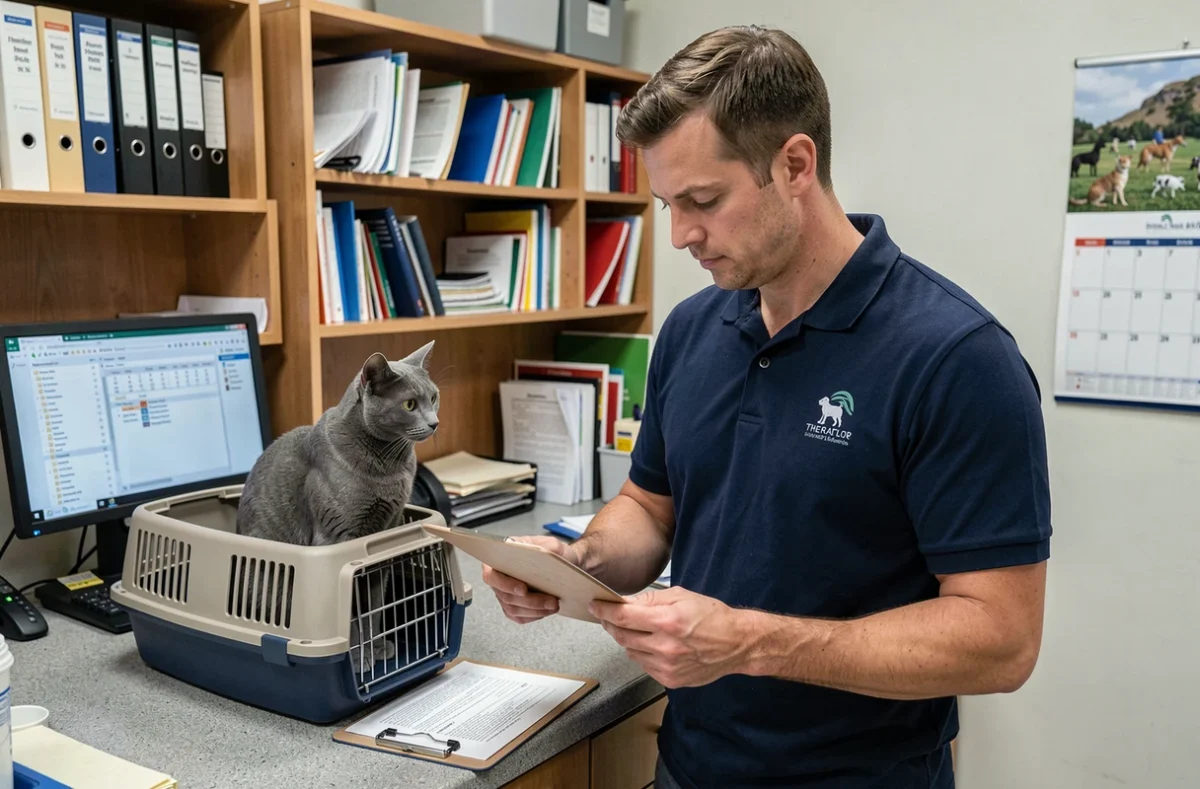
Identification by microchip or tattoo is mandatory for any cat transferred or given away in France. Without this identification, a shelter can legally refuse intake, as it is impossible to establish the animal’s traceability and verify that the person entrusting it is indeed the owner.
This requirement aims to distinguish between voluntary abandonment and reporting of a stray cat. An unidentified cat found in public is subject to the pound, not directly to the shelter. The pound has a legal holding period before the animal can be transferred to an association.
What the shelter checks before accepting a cat
- The microchip or tattoo, which proves the cat’s identity and links the animal to an owner registered in the national I-CAD database
- The health record or veterinary documents, which provide information on vaccinations and general health status
- The consistency between the declarant and the registered owner, to prevent someone from entrusting an animal that does not belong to them
An unidentified cat can be outright refused, or the shelter may require the owner to have the identification done by a veterinarian before any transfer.
Behavioral or health issues: targeted refusals
A cat with severe behavioral issues (marked aggression, human phobia) poses a placement problem. The shelter assesses the animal’s ability to be adopted within a reasonable timeframe. A cat that cannot coexist with other animals or tolerate human presence occupies a spot with no prospect of leaving.
Stray cats captured but not socialized illustrate this reality well. Some associations prefer sterilization followed by a return to the capture site, under the regime of free-roaming cats. This solution avoids occupying a shelter box with an animal that will never be offered for standard adoption.
Severe health issues can also motivate a refusal. A cat with a chronic condition that is expensive to treat represents a veterinary burden that the shelter may not always be able to absorb, especially during periods of saturation.
Alternatives when the SPA refuses to take in a cat
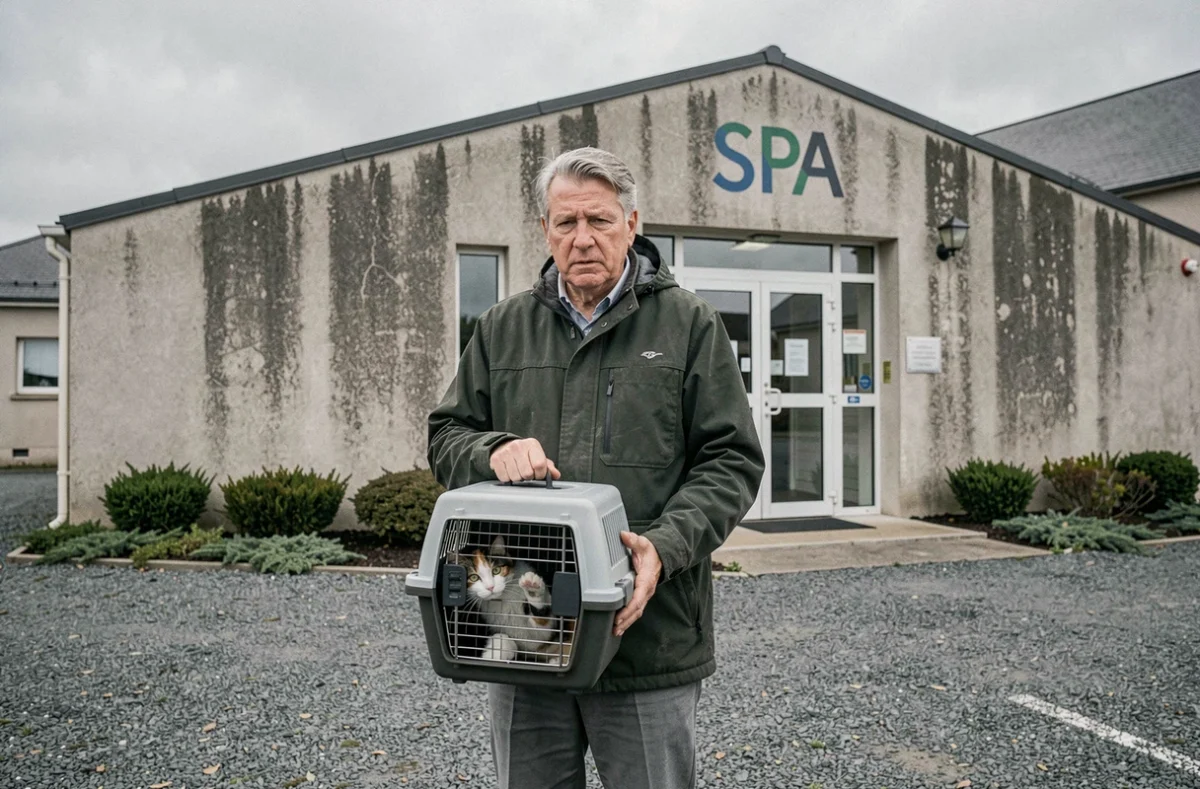
A refusal from the SPA does not mean the cat is doomed to remain without a solution. Several options exist, each with its own acceptance criteria.
Volunteer foster families
The SPA placed nearly 10,000 animals with volunteer households in 2025. Foster families absorb periods of saturation and temporarily house animals before their adoption. A refusal from the shelter sometimes corresponds to a redirection to this system, provided a family is available.
Other associations and local programs
Associations specializing in cats, sometimes small in size, accept animals that larger organizations cannot take in. Some municipalities also have agreements with local associations for managing stray cats, including sterilization and health monitoring.
- Contact several associations simultaneously, as intake capacities vary from one organization to another
- Offer to fund sterilization or initial veterinary care, which facilitates acceptance by the association
- Consider temporarily keeping the cat while waiting for a spot to open up, rather than releasing it into the wild
Transfer between individuals is also an option, provided the obligations of notification of change of ownership to the I-CAD database are respected and an up-to-date veterinary certificate is provided.
A shelter’s refusal rarely reflects a judgment on the owner or the animal. Organizations operate with limited resources in the face of an influx that does not decrease. Having your cat identified and sterilized before any process remains the most direct way to avoid a refusal and facilitate intake by any organization.